



Reality’s Last Stand is a reader-supported publication. Please consider becoming a paying subscriber or making a one-time or recurring donation to show your support.

About the Author
Dr. Greg Brown is a professor of Exercise Science at the University of Nebraska at Kearney. His research focuses on the effects of nutritional supplements, physiological responses to exercise, and sex differences in sports performance. He has over 60 peer-reviewed publications and is an active member of several professional organizations, including the American College of Sports Medicine and the National Strength and Conditioning Association. He enjoys running, hunting, fishing, and spending time with his family. He and his wife, Amber, have two sons, one daughter in law, and a grandson.
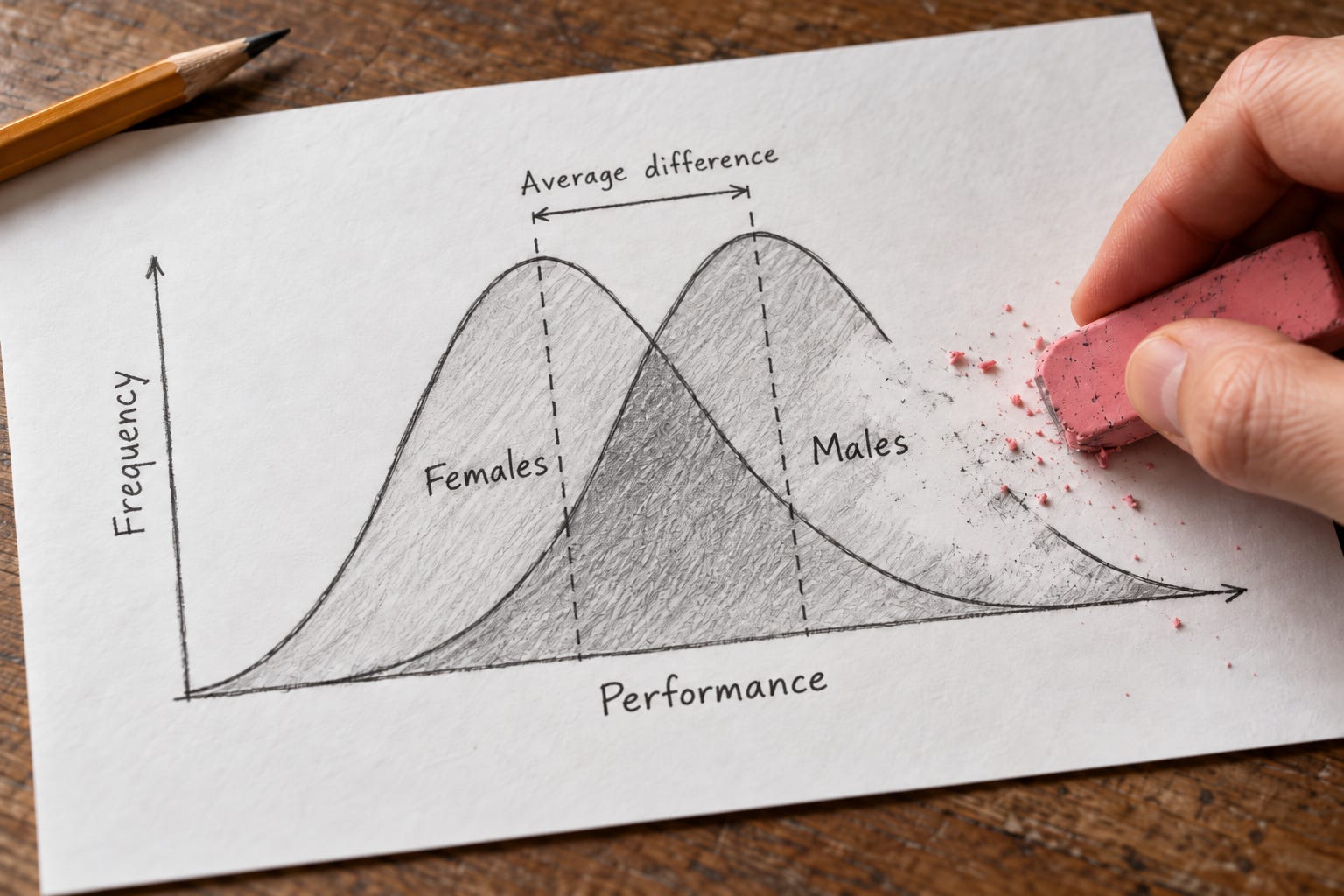
What does the “W” in WNBA mean? That seemingly simple question has recently become surprisingly contentious as the league confronts questions about whether males who identify as women (i.e. “transwomen”) should be eligible to compete in professional women’s basketball. The controversy is only the latest chapter in a much broader debate over whether male athletic advantages can be sufficiently reduced, or even erased, through testosterone suppression to allow transwomen to safely and fairly compete in female sports.
At the center of that debate is a scientific question that is often treated as though it has a simple answer: What kind of evidence would actually demonstrate that male athletic advantage has been erased? A few studies have reported that selected measures of physical fitness in testosterone-suppressed transwomen are no longer statistically different from those of females. But how much can we reasonably conclude from those findings?
When the Individual Doesn’t Follow the Pattern
A simple example from my own classroom helps illustrate the problem. Every semester, I teach an upper-level undergraduate course in exercise physiology, the scientific study of how the human body responds and adapts to physical activity and exercise. One of the concepts students learn is how the nervous system controls muscle force.
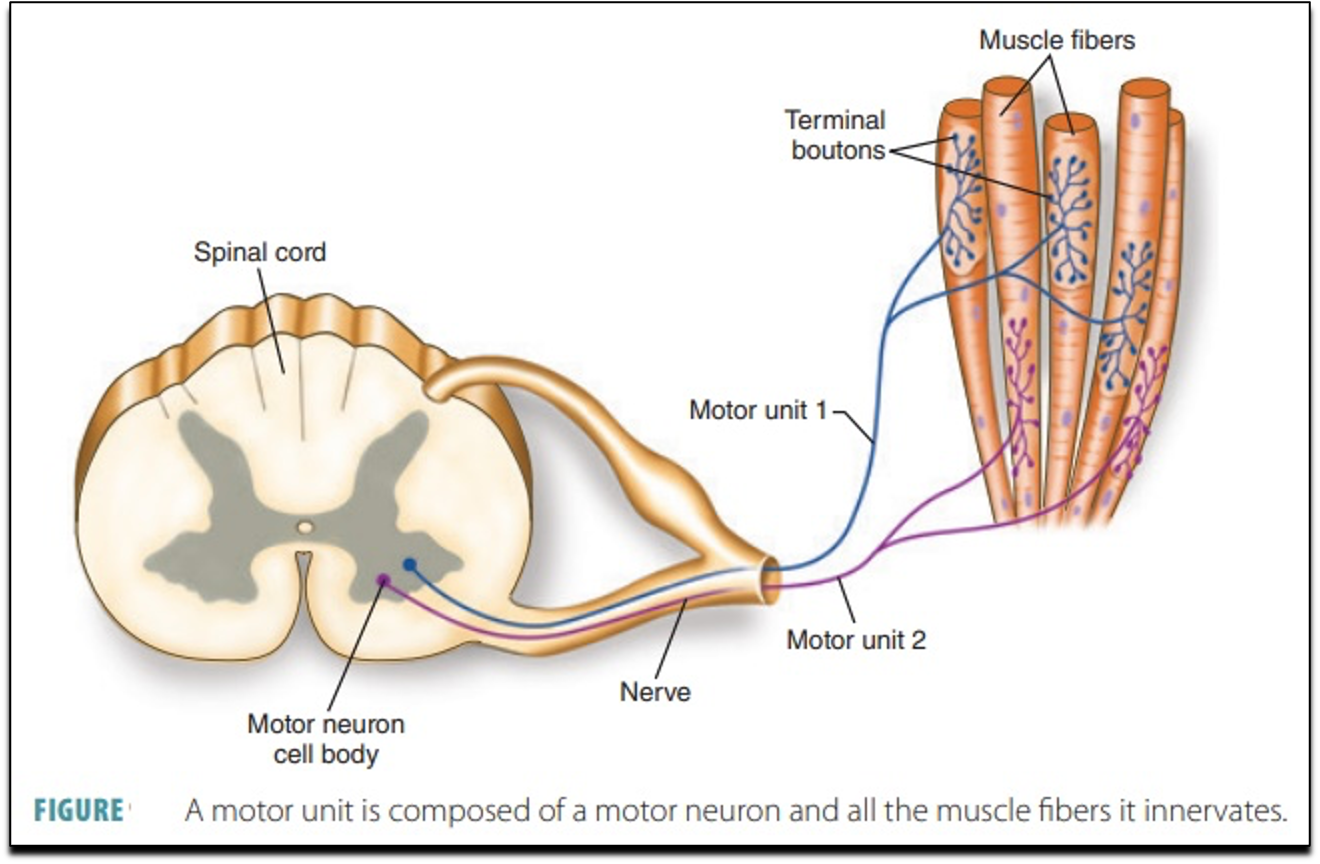
A motor unit consists of a single motor nerve and all of the muscle cells it controls. Generally, as the nervous system activates more motor units, the muscle produces more force, allowing us to lift heavier weights. By placing electrodes on the skin over a muscle, we can measure the electrical activity that occurs when the nervous system activates the muscle using a process called electromyography, or EMG. Greater EMG activity generally indicates greater activation of the muscle by the nervous system (30).
In the lab activity used to illustrate this concept, EMG activity is measured in each student as they perform three repetitions of a biceps curl at three different weights. The students enter their results into a spreadsheet, and we calculate the average EMG amplitude for the three repetitions at each weight. We then analyze the class data to determine whether EMG amplitude increases as the weight being lifted also increases. Semester after semester, it does. Having now analyzed data from nearly 1,000 students, the pattern is remarkably consistent: as the weight gets heavier, EMG amplitude increases significantly, illustrating the nervous system’s role in regulating muscle force.
Importantly, however, this conclusion is based on the class as a whole, not on what happened in any single student. That reflects an important principle in biological science: group-level patterns do not require every individual within a group to behave exactly the same way.
